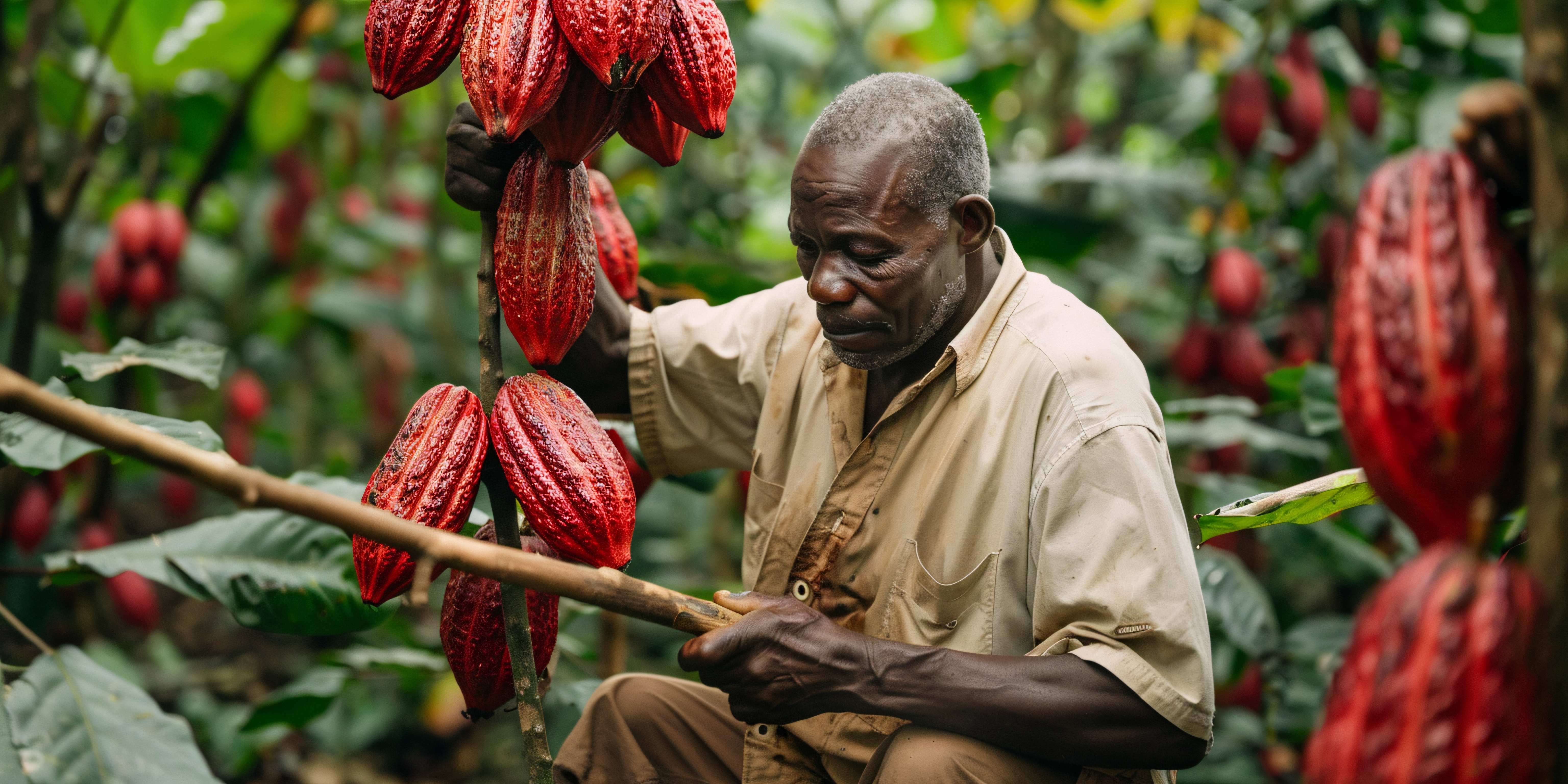
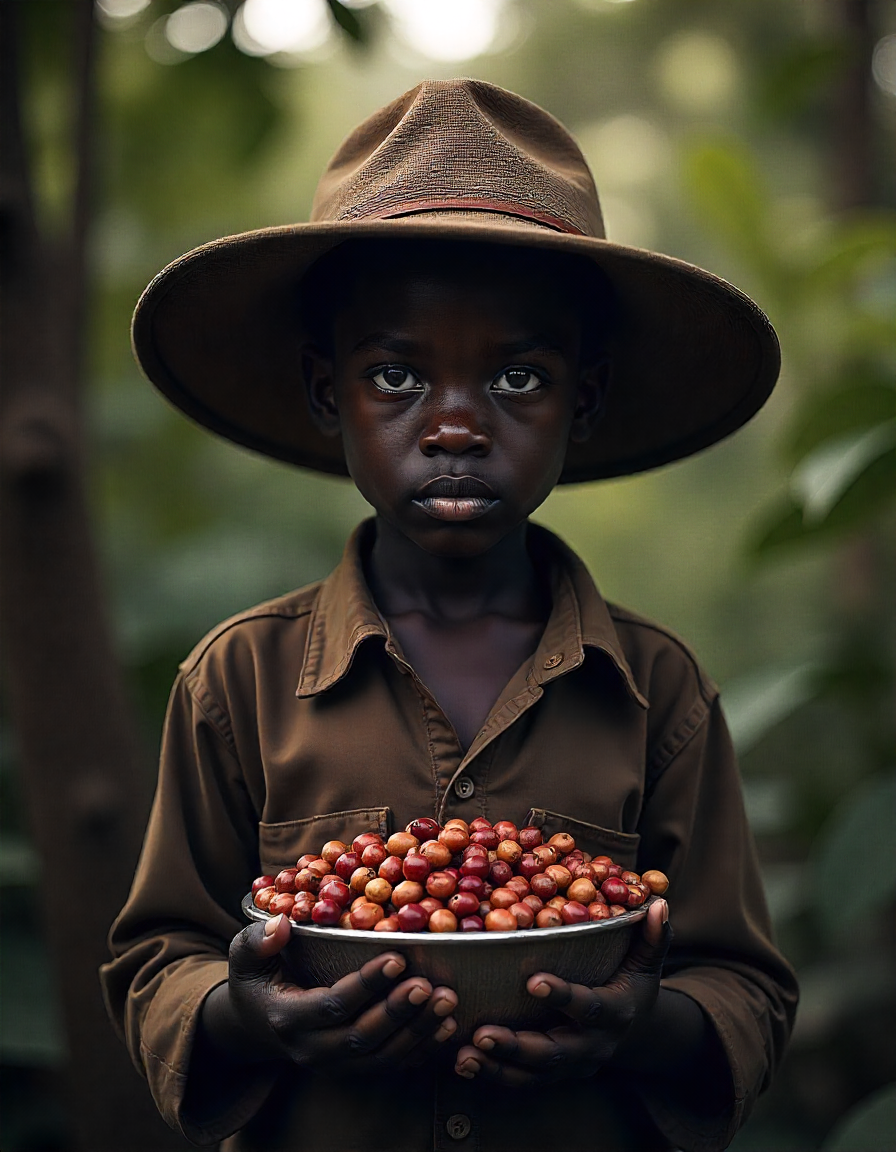
The global chocolate market is currently facing a confluence of crises that are simultaneously urgent, frequent, and painful. These issues are deeply interconnected, stemming primarily from an unsustainable economic model at the farm level, exacerbated by the accelerating effects of climate change.
The most critical issues can be categorized into three major themes: the existential supply crisis, the systemic human rights and poverty trap, and environmental degradation.
1. The Existential Supply Crisis: Climate and Price Volatility
The most urgent and financially painful issue currently dominating the market is the severe cocoa supply shortage and the resulting unprecedented price volatility 1 2.
| Criterion | Issue | Description |
| Urgent | Cocoa Supply Shortage & Price Surge | Extreme weather (heavy rains, heat) in West Africa, which accounts for over 70% of global cocoa, has led to a multi-year low in output, driving cocoa prices to record highs. This is an immediate financial crisis for manufacturers and consumers 3 4. |
| Frequent | Climate Change & Extreme Weather | Erratic weather patterns, changing rainfall, and extreme heat are becoming a frequent and reliable threat to cocoa crops. This volatility is the direct cause of the supply crisis and is expected to worsen 5 6. |
| Painful | Existential Threat to Supply | The long-term, painful reality is that climate change threatens to make current cocoa-growing regions unsuitable by 2050, forcing a complete overhaul of sourcing and production 7. |
This crisis is forcing manufacturers to take immediate, painful steps, such as reducing the cocoa content in products (shrinkflation) and passing on significant price increases to consumers 4.
2. The Systemic Human Rights and Poverty Trap
The second major theme is the long-standing, frequent, and ethically painful issue of poverty and human rights abuses at the base of the supply chain.
| Criterion | Issue | Description |
| Urgent | Farmer Shortages | The lack of a viable income is causing younger generations to abandon cocoa farming, leading to an urgent shortage of labor and threatening the long-term continuity of supply 8. |
| Frequent | Farmer Poverty & Low Farm-Gate Prices | This is a frequent and systemic issue. Economic pressure, driven by low prices paid to farmers, is the root cause of many other problems, creating a cycle of poverty and underinvestment in sustainable farming 9. |
| Painful | Child Labor | Child labor remains a persistent and ethically painful issue in cocoa-growing regions, directly linked to the poverty of farming families who rely on their children for labor to survive 10. |
The pain here is two-fold: the moral and reputational damage to the industry from persistent child labor and the economic pain of an unsustainable model that fails to reward the primary producers, leading to a brittle and unreliable supply chain.
3. Environmental Degradation
The third theme is the environmental cost of cocoa production, which is both frequent and has painful long-term consequences.
| Criterion | Issue | Description |
| Frequent | Deforestation | The expansion of cocoa plantations, often driven by the need for new, fertile land to compensate for low yields on existing farms, is a frequent driver of deforestation and loss of biodiversity 11. |
| Painful | Regulatory Pressure | New regulations, such as the European Union’s Deforestation Regulation (EUDR), are creating a painful compliance burden for the industry. Companies must now prove their cocoa is not linked to deforestation, adding complexity and cost to sourcing 12. |
In summary, the global chocolate market is not just facing a single challenge, but a triple crisis where the urgent climate-driven supply shock is exposing the frequent and painful systemic failures of its economic and ethical foundations.